Service Email: service@umt-space.com
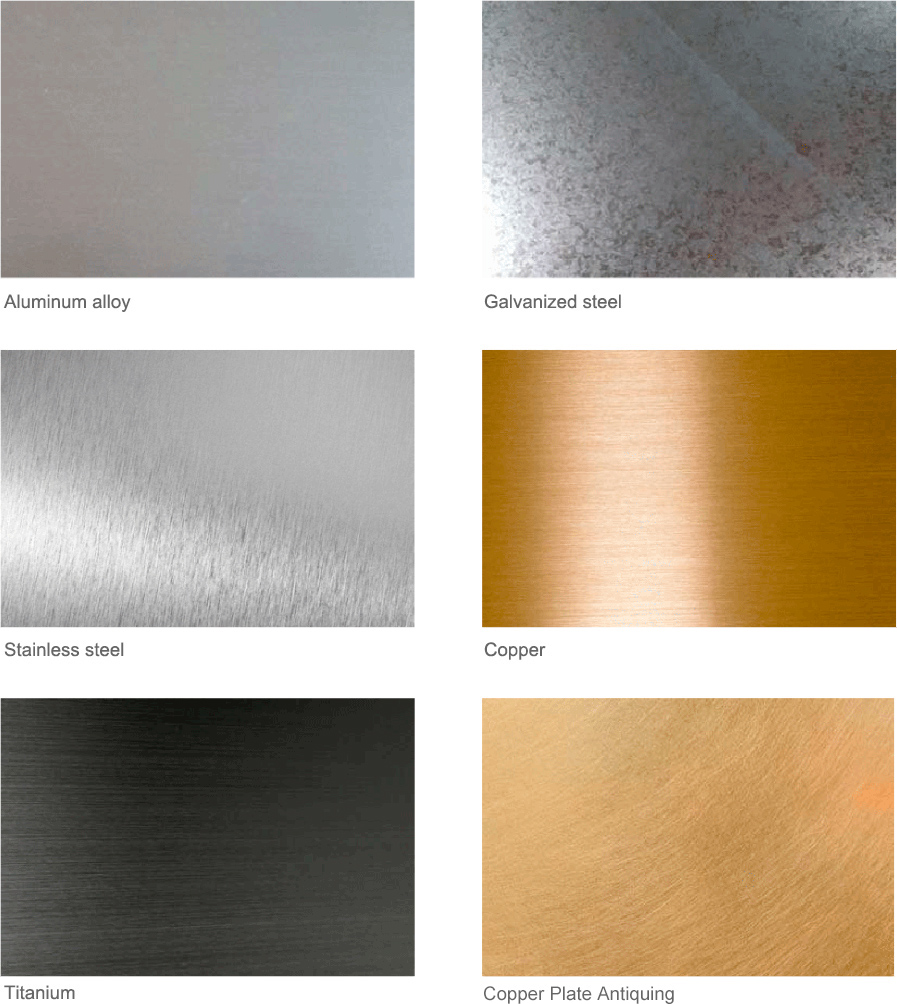
We focus on the research and development as well as the expansion of metal panel processing technologies. Aluminum materials with different alloy ratios exhibit distinct characteristics in rigidity, toughness, morphological stability, and weather resistance, making them suitable for different products and applications. Today, we have expanded beyond traditional aluminum alloys and galvanized steel to include stainless steel, copper, titanium, and other advanced materials, with corresponding developments in material forming and composite technologies, providing designers with more and superior options, significantly expanding the application scope of metal materials in architectural decoration.
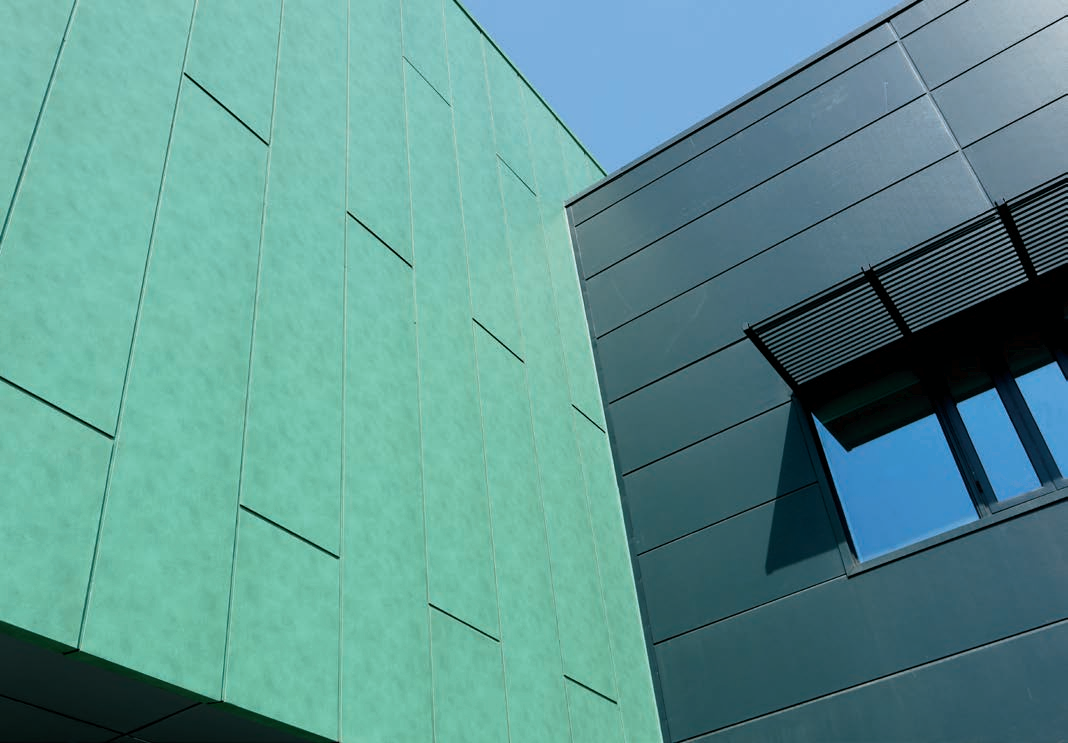
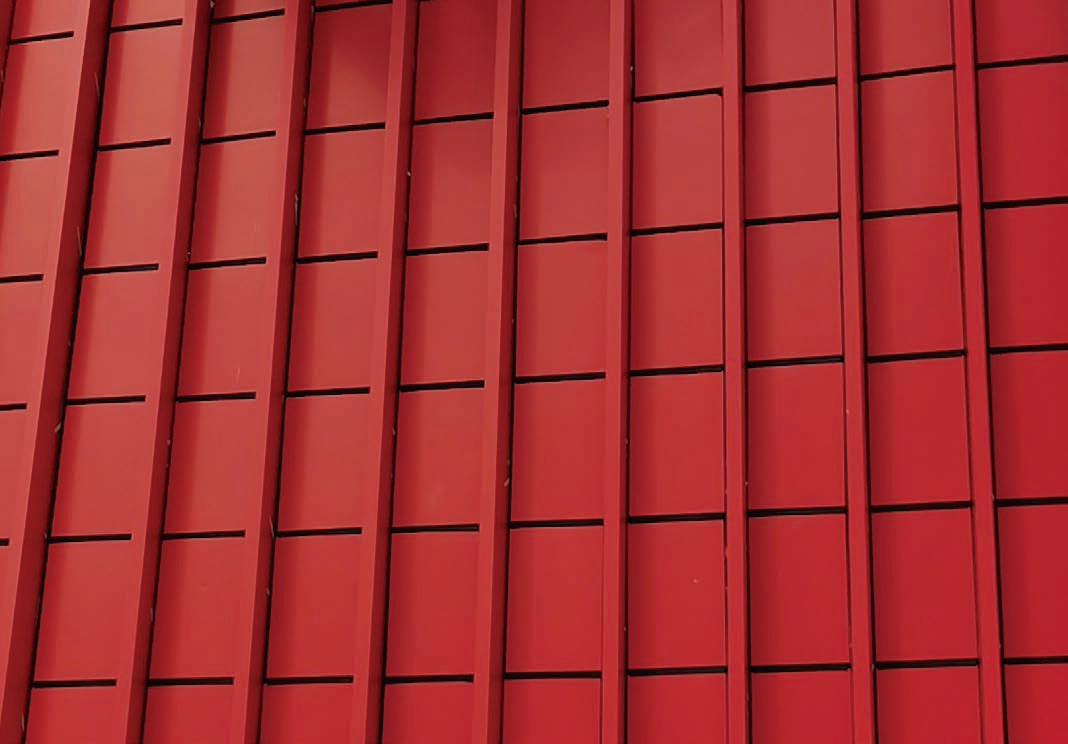
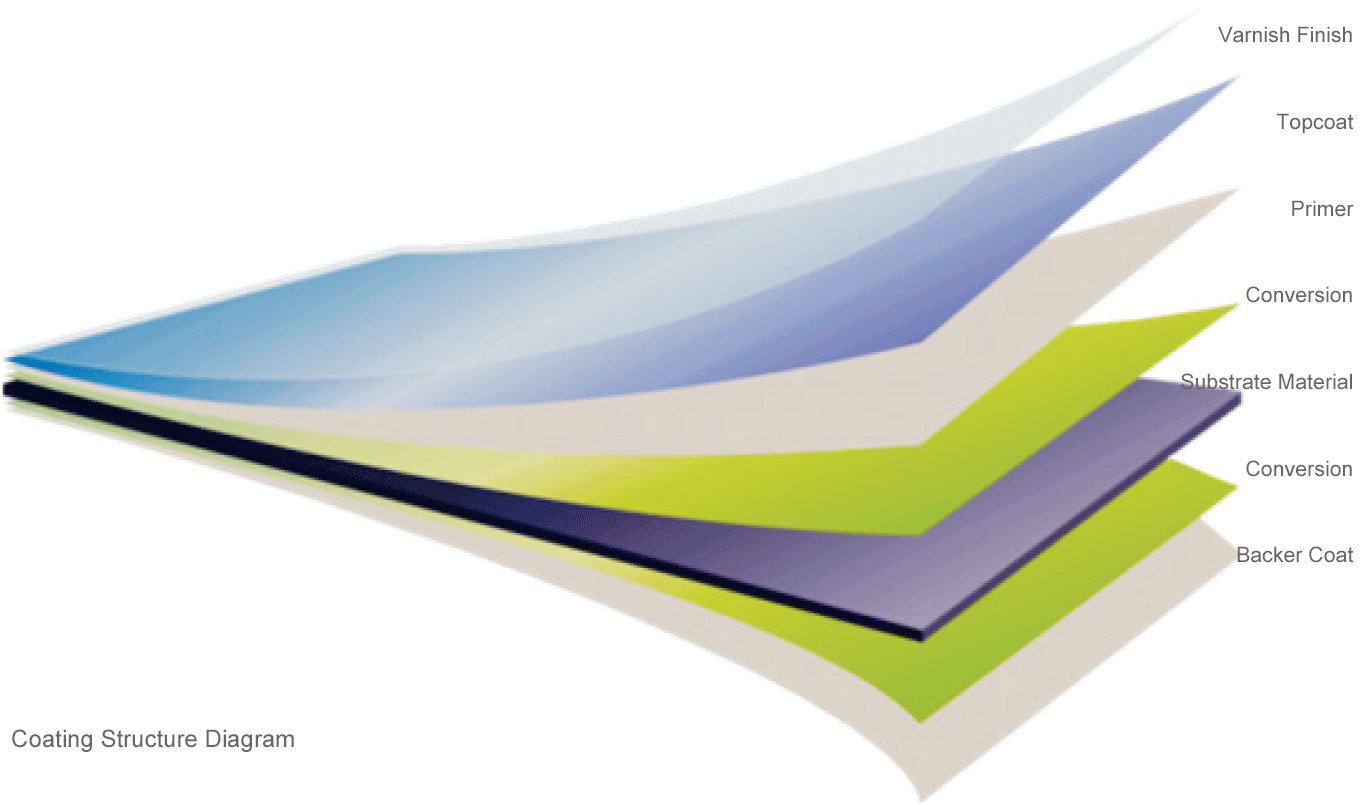
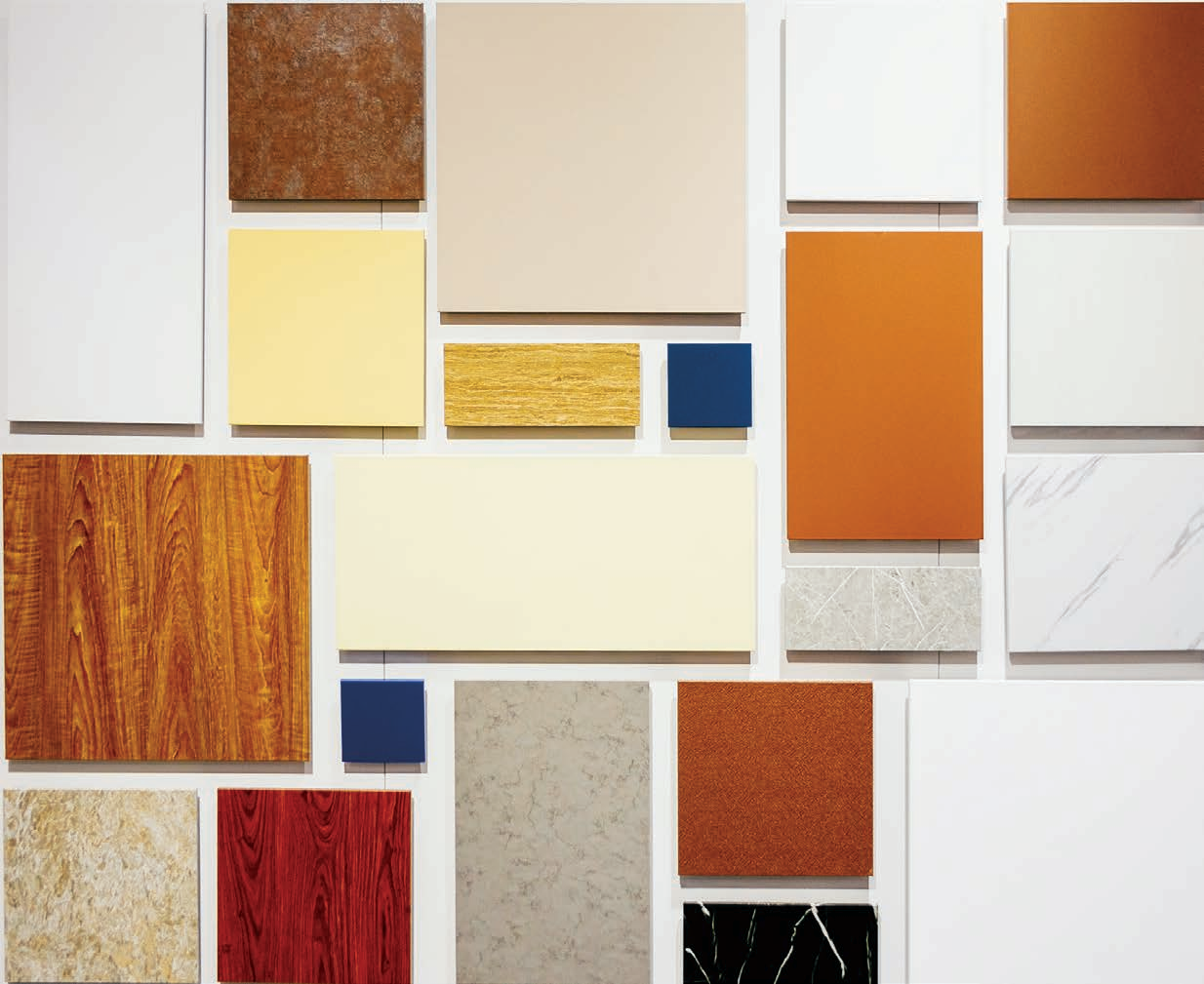
Advanced continuous coating technology of aluminum is utilized. This process employs specialized continuous coil coating lines to apply and cure coatings on metal coils through continuous roll-coating and baking, with computerized rigorous control over paint color formulation. The coating exhibits uniform coloration, minimal color deviation, excellent color saturation, strong adhesion, wear resistance, and consistent quality, ensuring optimal coating performance for metal coils. In recent years, the development of high-fidelity coating technologies—particularly wood grain, stone texture, special metallic finishes, and ceramic panel finishes—has significantly diversified the coating effects achievable on metal products, leading to widespread adoption.
◆ Excellent decorative properties: The coating surface is smooth and even, with uniform, vibrant coloration
◆ Superior weather resistance: Excellent corrosion resistance, color and gloss retention with a service life exceeding ten years
◆ Excellent processability: The coating exhibits strong adhesion and superior toughness, enhancing the ductility of metal material
◆ Exceptional consistency: Uniform coating thickness ensures batch-to-batch color continuity and conformity
◆ Diverse coating options: Including polyester, polyurethane, fluorocarbon, laminate, and other specialized finishes
High-fidelity coating
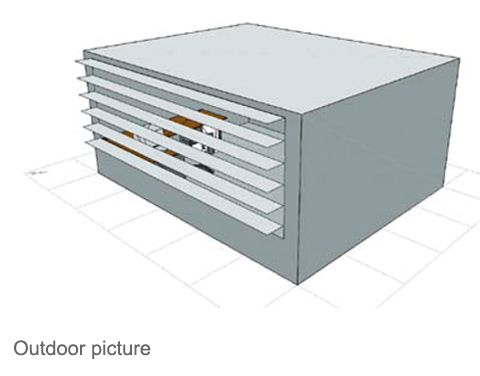
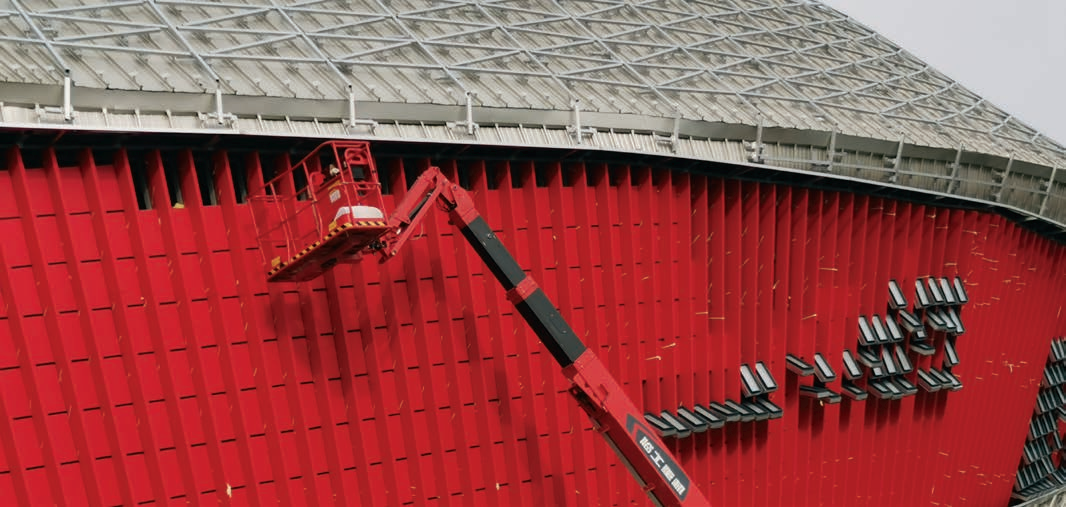
Building envelope, equipment, new energy, and behavioral science form the four pathways to architectural energy efficiency. Architectural Sun Louver systems serve as a critical technical solution for building envelope energy efficiency. Architectural sun louvers dynamically regulate sunlight transmission through windows. During summer, sun louvers system blocks intense solar radiation from entering the building interior, while in winter - due to lower solar angles - they permit beneficial thermal gain. By strategically harnessing solar energy, we can significantly reduce HVAC energy consumption.
Solar light and heat constitute the fundamental energy source for Earth's life systems, continuously influencing human physiological and psychological states. Within the sun's intense optical and electromagnetic radiation, certain wavelengths prove beneficial while others may cause harm. To create healthier, more comfortable living and working environments, it’s necessary for us to control and modulate incoming light and heat.
The sun louvers control system utilizes fieldbus technology, characterized by standardization and modularity. In addition to standard control modules, we offer various expansions for clients’ specialized requirements, providing dedicated interfaces for diverse building intelligent systems to enable integrated management of sun louvers system with smart building infrastructure.
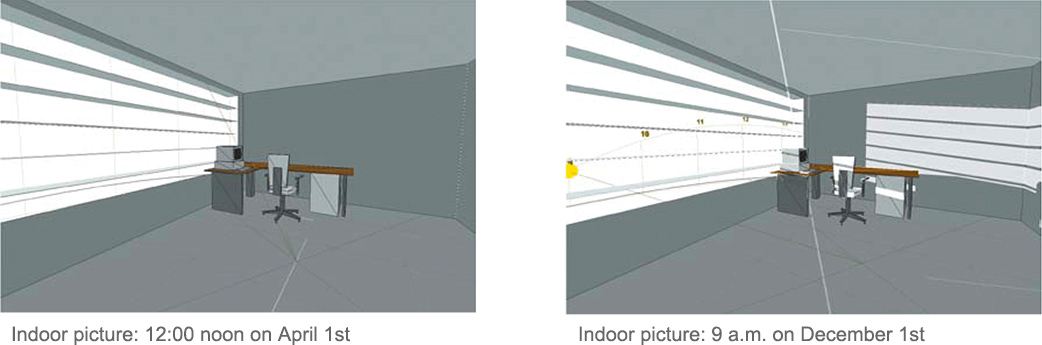
The sun louvers system's control software simulates solar patterns based on season, time, geographic location, and building orientation to precisely calculate shading performance. By adjusting the system's opening degree and angles, optimal shading performance and minimal energy consumption are achieved. Furthermore, when integrated with intelligent lighting control systems, it automatically regulates the amount of natural light entering the interior, further enhancing indoor environmental comfort and reducing building energy consumption.
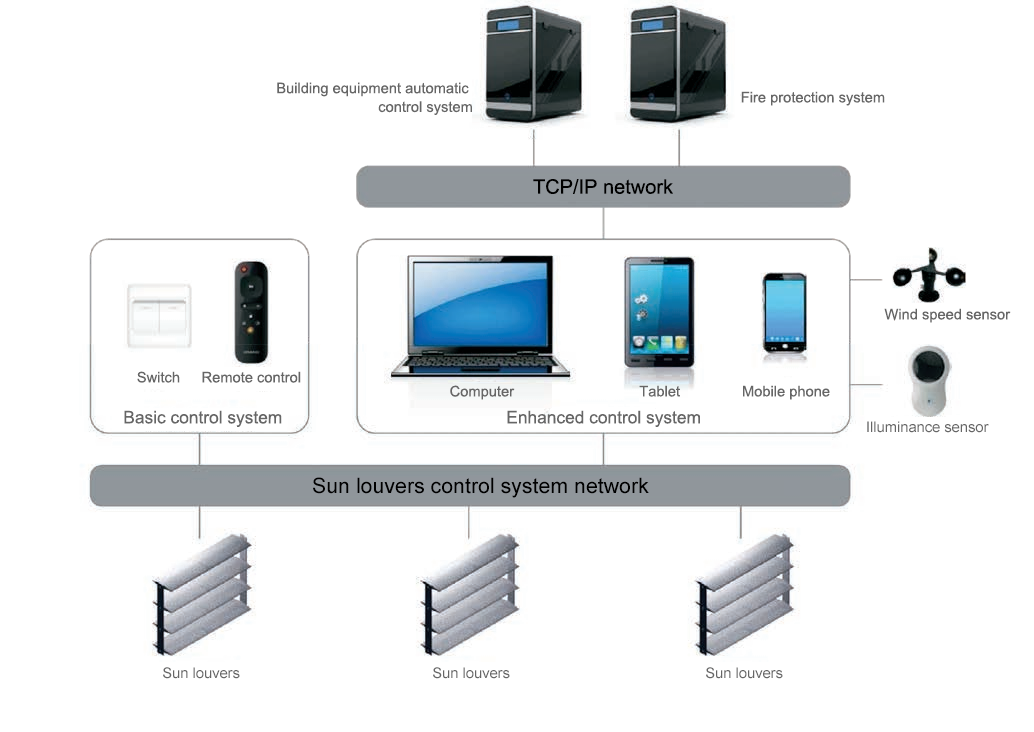
◆ Enhanced Control System: This is a simple on/off control system that adjusts the angle and position of sun louvers via wired switches or wireless remotes to achieve optimal shading performance.
◆ Enhanced Control System: Building upon the basic control system, this solution enables automated shading adjustment through either pre-set annual control parameters or feedback from light, wind speed, and temperature sensors.
◆ Intelligent Control System: Through computer programming and integration with fire safety systems, building automation systems (including HVAC, lighting, and power distribution equipment), this solution achieves high-precision intelligent control of sun louvers system.
Centered on a supply model of "customization" and "zero waste," we closely collaborate with clients at every stage—from project design and construction to daily maintenance—partnering throughout the entire process, delivering professional, thoughtful pre-sales and after-sales services to achieve complete customer satisfaction. Our professional team, robust production capabilities, and efficient supply chain system provide strong, reliable support for client services.
 |
 |
 |
 |
|
AutoCAD |
Rhino |
SunFast |
Abaqus |
◆ Product Information: Manufacturing processes, specifications, and test reports.
◆ Engineering Consultation: Needs analysis, material quantity estimation, and budgeting.
◆ Design Solutions: Alternative proposals, design refinement, and modifications.
◆ Installation Guidance: Workforce training and on-site guidance.
◆ Maintenance Services: Maintenance operation manuals and training guidance.
We focus on the research and development as well as the expansion of metal panel processing technologies. Aluminum materials with different alloy ratios exhibit distinct characteristics in rigidity, toughness, morphological stability, and weather resistance, making them suitable for different products and applications. Today, we have expanded beyond traditional aluminum alloys and galvanized steel to include stainless steel, copper, titanium, and other advanced materials, with corresponding developments in material forming and composite technologies, providing designers with more and superior options, significantly expanding the application scope of metal materials in architectural decoration.

Advanced continuous coating technology of aluminum is utilized. This process employs specialized continuous coil coating lines to apply and cure coatings on metal coils through continuous roll-coating and baking, with computerized rigorous control over paint color formulation. The coating exhibits uniform coloration, minimal color deviation, excellent color saturation, strong adhesion, wear resistance, and consistent quality, ensuring optimal coating performance for metal coils. In recent years, the development of high-fidelity coating technologies—particularly wood grain, stone texture, special metallic finishes, and ceramic panel finishes—has significantly diversified the coating effects achievable on metal products, leading to widespread adoption.
◆ Excellent decorative properties: The coating surface is smooth and even, with uniform, vibrant coloration
◆ Superior weather resistance: Excellent corrosion resistance, color and gloss retention with a service life exceeding ten years
◆ Excellent processability: The coating exhibits strong adhesion and superior toughness, enhancing the ductility of metal material
◆ Exceptional consistency: Uniform coating thickness ensures batch-to-batch color continuity and conformity
◆ Diverse coating options: Including polyester, polyurethane, fluorocarbon, laminate, and other specialized finishes
High-fidelity coating
Building envelope, equipment, new energy, and behavioral science form the four pathways to architectural energy efficiency. Architectural Sun Louver systems serve as a critical technical solution for building envelope energy efficiency. Architectural sun louvers dynamically regulate sunlight transmission through windows. During summer, sun louvers system blocks intense solar radiation from entering the building interior, while in winter - due to lower solar angles - they permit beneficial thermal gain. By strategically harnessing solar energy, we can significantly reduce HVAC energy consumption.
Solar light and heat constitute the fundamental energy source for Earth's life systems, continuously influencing human physiological and psychological states. Within the sun's intense optical and electromagnetic radiation, certain wavelengths prove beneficial while others may cause harm. To create healthier, more comfortable living and working environments, it’s necessary for us to control and modulate incoming light and heat.

The sun louvers control system utilizes fieldbus technology, characterized by standardization and modularity. In addition to standard control modules, we offer various expansions for clients’ specialized requirements, providing dedicated interfaces for diverse building intelligent systems to enable integrated management of sun louvers system with smart building infrastructure.
The sun louvers system's control software simulates solar patterns based on season, time, geographic location, and building orientation to precisely calculate shading performance. By adjusting the system's opening degree and angles, optimal shading performance and minimal energy consumption are achieved. Furthermore, when integrated with intelligent lighting control systems, it automatically regulates the amount of natural light entering the interior, further enhancing indoor environmental comfort and reducing building energy consumption.
◆ Enhanced Control System: This is a simple on/off control system that adjusts the angle and position of sun louvers via wired switches or wireless remotes to achieve optimal shading performance.
◆ Enhanced Control System: Building upon the basic control system, this solution enables automated shading adjustment through either pre-set annual control parameters or feedback from light, wind speed, and temperature sensors.
◆ Intelligent Control System: Through computer programming and integration with fire safety systems, building automation systems (including HVAC, lighting, and power distribution equipment), this solution achieves high-precision intelligent control of sun louvers system.
Centered on a supply model of "customization" and "zero waste," we closely collaborate with clients at every stage—from project design and construction to daily maintenance—partnering throughout the entire process, delivering professional, thoughtful pre-sales and after-sales services to achieve complete customer satisfaction. Our professional team, robust production capabilities, and efficient supply chain system provide strong, reliable support for client services.
|
|
|
|
AutoCAD |
Rhino |
|
|
|
|
SunFast |
Abaqus |
◆ Product Information: Manufacturing processes, specifications, and test reports.
◆ Engineering Consultation: Needs analysis, material quantity estimation, and budgeting.
◆ Design Solutions: Alternative proposals, design refinement, and modifications.
◆ Installation Guidance: Workforce training and on-site guidance.
◆ Maintenance Services: Maintenance operation manuals and training guidance.